🏛️
About Interesting History Niche
The 'Interesting History' niche reveals the obscure, less-explored events from humanity's past. These videos cater to viewers' curiosity, taking them on a journey through the unknown corridors of history, making them feel like detectives of time itself. These videos typically cover espionage, supply failures, communication mistakes, weather incidents, or small unit decisions from between 500 BC and 1950. They favour a cinematic presentation style, beginning with a curiosity-piquing hook, quickly ramping up tension, and culminating in an unexpected twist. The short video format of YouTube Shorts is ideal for these quick, condensed dives into history. A creator in the 'Interesting History' niche can grow a dedicated following by delivering consistently unique content. Monetization opportunities include sponsorships, educational partnerships, and affiliate links to history-related literature and merchandise.
Hook Crafting Guidance
Give the AI a topic and it drafts a hook-led script, opening on the strangest verified detail to capture curiosity from the first line.
Historical Context Support
Our AI platform can aid in setting a rich historical context to make your narratives more compelling.
Unique Event Discovery
The obscure-events lane is yours to research; once you have the story, Blipix turns it into a narrated video with period-styled visuals in minutes.
Why Interesting History Works
Perfect For
- Educational YouTubers
- History podcasters seeking visual content
- History teachers and tutors
- Curiosity-driven content creators
Key Benefits
- Unearth hidden historical treasures
- Engage viewers with compelling narratives
- Establish a unique content niche
- Capture audience curiosity for regular views
Popular Interesting History Video Scripts
Proven Interesting History video scripts that get high engagement and views
Script #1
Hook
What if a warship almost failed not from enemy fire, but from a clerical stamp? In July 1916, in the storm-prone North Sea, the British battlecruiser HMS Lion was ordered to rendezvous under strict ammunition instructions. The trouble began when the gunnery data used to set the 13.5-inch guns was translated between dock records and ship orders. A single transposition error changed the charge setting. The ship’s gun crews noticed discrepancies only when the first rounds were prepared. Captain Charles Johnstone, acting on local procedure, delayed the first salvo while a petty officer physically checked the charge tags against the guns’ numbered breech references. By the time the correction was confirmed, the firing sequence had fallen out of sync with the squadron’s timing. The ship fought anyway, but the moment highlights how “orders” could become “wrong” without any gun being aimed at you. It is one of the quieter reasons navies love redundant checks.
Script #2
Hook
Fewer than a dozen men may have changed the outcome of a siege, simply by refusing to knock. In February 1690, northern Italy, during the War of the Grand Alliance, a small garrison in the fortified town of Mantua kept its gate locked longer than demanded. The reason was not courage alone. The defenders received a message delivered by a civilian messenger named Giacomo Bellini, claiming the besiegers had altered their artillery schedule. But Bellini’s timing was suspicious: he arrived during a shift change, and his paper lacked the wax seal pattern used by Mantua’s own magistrate. Commander Fabrizio Laderchi ordered the message read aloud from behind the inner wall while scouts verified the telltale cues: the laborers’ drum rhythm and the smoke color from the powder trains. The verification took hours, and in that window the enemy’s fire plan did not match the guns that were actually laid. The besiegers shifted batteries to correct their own schedule and lost the advantage of surprise. The irony is that Mantua survived by distrusting a “friendly” delivery, proving that a siege can hinge on seals and routines, not just cannons.
Script #3
Hook
The strangest part of a battlefield report is that the enemy never showed up. In May 1815, eastern Anatolia, an Ottoman detachment recorded a full “engagement” against rebels that day, yet later papers admitted the opposition had never formed in the planned position. The event is documented in local correspondence tied to the campaign logistics around Bayburt. The trigger was a communication mistake: a messenger used a borrowed route and arrived late, delivering a commander’s “move at first light” order without the accompanying explanation that the dawn signal had been postponed due to fog. Captain Mustafa Agha, acting on the partial order, marched his men into thick ground mist and assumed contact when distant drumming sounded like infantry movement. He even mentioned the echoing reports of small arms, but investigators later found no cartridges fired. The “battle” existed on paper because the report was meant to justify supplies consumed and casualties claimed. When patrols finally reached the supposed enemy line, they found only abandoned campfires and scattered cooking pots from the previous night. The twist is simple: sometimes history records the fog as the weapon, and paperwork as the battlefield.
Make Faceless Videos Stand Out with Style
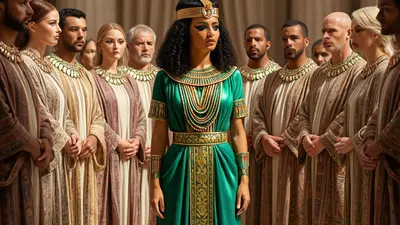
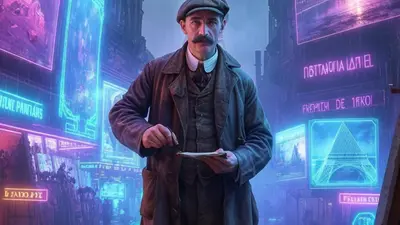

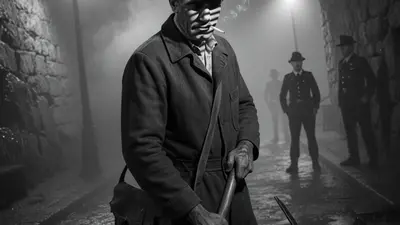

Create Interesting History Videos in 3 Easy Steps
Start building your Interesting History faceless video channel today, no camera or editing required. 🚀
Step 01
Select the Interesting History Topic
Choose the Interesting History topic or write your own script, pick your image style, voiceover, and music that fits the Interesting History niche, and our AI will instantly generate your video.
Step 02
Preview and Customize
Preview your Interesting History faceless video and make changes as needed. Fine-tune the script, title, music, images, and captions to match your Interesting History audience perfectly.
Step 03
Automate and Manage
Set your posting schedule, connect your social media accounts, and let Blipix automatically publish your Interesting History videos. Grow your Interesting History channel while we handle the posting.
Questions About Interesting History Videos
Everything you need to know about creating Interesting History faceless videos
01
What makes a strong curiosity-driven opening for an 'Interesting History' niche video?
Kick-starting your 'Interesting History' video with a captivating curiosity-driven opening often begins with a mesmerizing fact or question about the event, keeping it mysterious yet accurate. For instance, you could open with, 'Ever wondered what happens when a weather incident alters the course of a lesser-known battle?' This instantly intrigues the viewer by promising an unheard story from history, in this case, the complex interplay between weather and warfare.
02
How should I cast the narrative tension in 'Interesting History' shorts to make them more engaging?
Creating suspense throughout your 'Interesting History' shorts involves steadily revealing unexpected aspects of the occurrence. Always remember, it's the lesser-known facts about obscure historical events that make them intriguing. So, provide enough context to give a sense of the situation, but keep the audience guessing until you wind up with the surprising or ironic twist. This way, you build tension and maintain engagement.
03
What kind of obscure aspects should I emphasize in creating 'Interesting History' shorts?
Emphasizing aspects like misinterpreted orders, failed experiments, supply failures, or even weather incidents tied to obscure historical events offers an interesting angle in this niche. For instance, an obscure episode like the food shortage of soldiers in a lesser-known war leads to a gripping narrative where victory or defeat lies beyond just the battlefield. Details like these not only elevate the intrigue but also numerous nuances of history.
04
How can I ensure the 'Interesting History' series remains consistent on platforms like YouTube Shorts or TikTok?
Maintaining consistency in an 'Interesting History' series can be accomplished by sticking to the three-step selection process for every video: choosing a year, region, and event type. You can also weave in some common elements or recurring motifs across your shorts, such as a signature closing line or a particular narrative style. This not only brands your series uniquely but also aids viewer retention across multiple episodes.
05
How does the performance of 'Interesting History' oriented content vary between YouTube Shorts and TikTok?
While the engaging format of 'Interesting History' videos can dominate both platforms, nuances differ. On YouTube Shorts, with a slightly longer maximum duration, you have marginally more room to delve deeper while maintaining suspense. Meanwhile, TikTok encourages faster pacing and condensed storytelling, perfect for offering quick intriguing bites of obscure historical events. Nevertheless, consistently presenting captivating and lesser-known historical tales works well on both platforms.
06
Are there any specific ideas or angles that have performed exceptionally well in the 'Interesting History' niche?
Within the 'Interesting History' niche, uncommon stories involving unexpected factors lending to the course of events, such as unusual weather incidents, lesser-known acts of espionage, unanticipated supply failures, etc., perform exceptionally. Other fascinating angles include obscure historical events precipitated by minor decisions, misinterpreted orders, or failed experiments. Remember to serve these with the required tension and a surprising end for sustained viewer interest.
07
What's a common mistake to avoid when creating content for the 'Interesting History' niche?
A common pitfall in this niche is drifting towards well-known stories or famous events, thinking they might attract more viewers. However, the 'Interesting History' niche thrives on the obscure and the unknown. Therefore, ensure you consistently spotlight the lesser-known and seldom-told narratives. Another mistake is ignoring the element of suspense, without it, historical tales can lose their intrigue factor.