Faceless video tool

AI Motivational Video Generator

Write the talk you would give a friend at 5 AM, and Blipix turns it into a narrated motivational Short with one scene per line, captions and music. Keep it to one idea, pick a voice that means it, and your first 30 to 60 second video fits in the free starter credits.

  • 29,000+ creators signed up
  • 41,000+ videos made with Blipix
  • No credit card required
Example output
  • One idea per video
  • Over 100 narrator voices
  • Cinematic scenes
  • First video free
New videoStyle: Cinematic

Your story

Paste a script, describe an idea for AI to write, or start from a niche

0 / 1,800 words

Free plan scripts go up to 112 words, paid plans up to 1,800

Visuals

How each scene is filled, and the art style AI images are drawn in

Media type
AI video framesPaid

Used with AI Motion Video: the frames you choose become AI video clips

Art style39 styles · Cinematic selected

Voice and music

Press play to hear a sample before you choose

Narration voice
Background music

Language, length and format

Language of the narration and captions

Duration

Set by your script

The running time follows the length of your script

Aspect ratio

You can switch it in the editor after the video is generated

Your setupAI Images · Cinematic · Will voice · Stradivarius · English · 9:16

Generate opens Blipix sign-up · No credit card required · Preview your first video free

Three steps

How It Works

Start from a single idea, let the voice carry it, and cut anything that sounds like a poster.

  1. Pick one truth to say

    A motivational Short works when it makes one point, like showing up on the days you do not feel like it. Write the talk yourself in the Script template, or describe it in Custom Prompt and then rewrite every line that could hang on an office wall.

  2. Match the voice to the message

    A low, unhurried voice suits discipline and comeback talks; a sharper read suits gym content. Preview two or three voices with your opening sentence before you commit. Keep the music well under the voice, because a speech that fights its soundtrack loses the listener.

  3. Watch it once on mute

    Plenty of people watch with the sound off, in class, at work or on a train, so the captions have to carry the talk. Play your draft silently: if a caption reads like a slogan, change the line or regenerate the scene behind it. Then download it or post it to YouTube, TikTok or Instagram.

Worked example

See It In Action

A real example you can generate with this tool, from script to finished video.

Script112 words
  1. Every morning, the clock whispers a choice: stay comfortable or chase what seems impossible.
  2. You're not limited by yesterday's doubts, you're powered by the decisions you make today.
  3. Picture a line of near-misses turning into one undeniable win when you refuse to quit.
  4. Fear will shout, but your focus must shout louder.
  5. Move with purpose, even when progress is tiny, because consistency compounds into momentum you can feel in your bones.
  6. Remember: greatness isn't a secret, it's a routine you practice when no one is watching.
  7. So stand up, take one brave step, and keep stepping.
  8. If you believe this, like, share, and tag a friend who needs to hear it together.
Ready to post
Blipix turns a script like this into a voiced, captioned video with matching AI scenes and music, which you can then adjust scene by scene before exporting.

Who it is for

Channels that run on encouragement

Different audiences need different kinds of push.

  • Gym and running pages

    Effort content lands when it names a real moment: the last rep, mile 20, the alarm before a cold morning run. Describe that moment and keep the voice level. People who train recognize it at once.

  • Students in exam season

    Short talks about opening the essay, the third hour in the library, the grade that did not define you. Post them in the weeks before exams, when your audience is actually looking for a reason to keep going.

  • Coaches with a message

    Turn one idea from a newsletter, course or session into a 45-second talk. Voice cloning lets the video sound like you, which matters when your audience already knows your voice from calls or podcasts.

  • Stoic and philosophy pages

    Seneca, Marcus Aurelius and Epictetus fill a lot of feeds. Quote them from a translation you can name, then spend most of the video on what the line means today. The philosophy niche shows one way to start.

Why this tool

The parts you can tune

Voice, pacing, captions and the scene behind every line.

  1. A scene for every sentence

    Each sentence becomes a scene in the art style you choose, with gentle motion. Concrete lines draw better than slogans: a clock on the wall gives the model a picture, while a line about focus shouting louder gave the demo giant letters instead of a moment.

  2. Voices from quiet to fierce

    Over 100 voices from ElevenLabs, MiniMax and OpenAI, filterable by gender, age, accent and use case. There is one narrator per video, so pick the one that sounds like it means the words. Regenerating the voiceover after a script edit costs 5 credits.

  3. Captions that land the key line

    Choose one of 24 caption presets, or set your own font, size, colors and highlight color. Give the line you want people to screenshot a sentence of its own, so it appears alone on screen instead of sharing a caption with filler.

  4. Music that stays underneath

    Pick a track from the library or upload your own, then set the volume low. In a spoken talk the voice is the instrument and the music is the room it stands in. Paid plans can also generate a custom AI track for 5 credits.

Side by side

Borrowed speeches vs. a talk of your own

Many motivation channels lay a famous speech over rented or borrowed clips. Writing your own talk and generating the scenes changes what you own, and what you give up.

Feature / BenefitBlipix AI Motivational Video GeneratorSpeech-over-footage edits
WordsYour own script, or an AI draft you rewrite.Often a famous speaker's recording, which you do not own.
VisualsOne generated scene per sentence, in one art style.Stock or borrowed clips of lions, rain and runners.
NarrationOne AI narrator, or your cloned voice.The original speaker, or your own recording.
Claims riskNothing reused, so nothing to match.Reused speeches and clips can draw copyright claims.
RealismGenerated people, not real athletes, and the cast can change between scenes.Real footage of real people.
Fixing a lineEdit the text and regenerate one scene, from 1 credit.Re-cut the edit by hand.

Quotes, attribution and borrowed speeches

Motivation feeds are full of misattributed quotes. There is no record of Gandhi saying “be the change you wish to see in the world” in those words, and no evidence that Einstein defined insanity as doing the same thing over and over. Before you put a famous name on a caption, find the quote in a source you can cite, such as the original book or speech. Quote Investigator and Wikiquote are good places to check.

Borrowed audio is the other trap. Laying a well-known coach's or athlete's speech under your visuals reuses their recording, which is how many motivation channels collect copyright claims. Writing your own talk avoids that and gives you a voice nobody else has. If you are short on angles, the faceless video ideas generator and the motivational niche are useful places to start.

In depth

The 43-second morning talk, line by line

The demo is a 112-word morning talk that runs 43 seconds, about 2.6 spoken words per second. That pace is a handy planning number: roughly 110 words fills a 45-second Short. It opens with a clock that “whispers a choice,” moves through fear, focus and consistency, and closes on “take one brave step, and keep stepping.”

The strongest line is the specific one: greatness is “a routine you practice when no one is watching.” The weakest are slogans like “fear will shout, but your focus must shout louder.” There is nothing to picture in that sentence, so the image model painted the words as giant letters in a fiery sky. When a scene looks like a poster, the line behind it usually is one.

The warm, golden light holds the video together, but the cast changes from scene to scene: a small girl on a glowing path, a runner, a man in front of an explosion, a family in a park. If your talk follows one person, repeat the same two details in every line, or use Consistent Character on a paid plan.

Then there is the ending. The script closes on “like, share, and tag a friend,” and the final image has those words written into it. One honest question, such as “What are you starting tomorrow?”, earns more replies than a request for likes. More finished examples are in the motivation video gallery.


Real renders

Made with Blipix

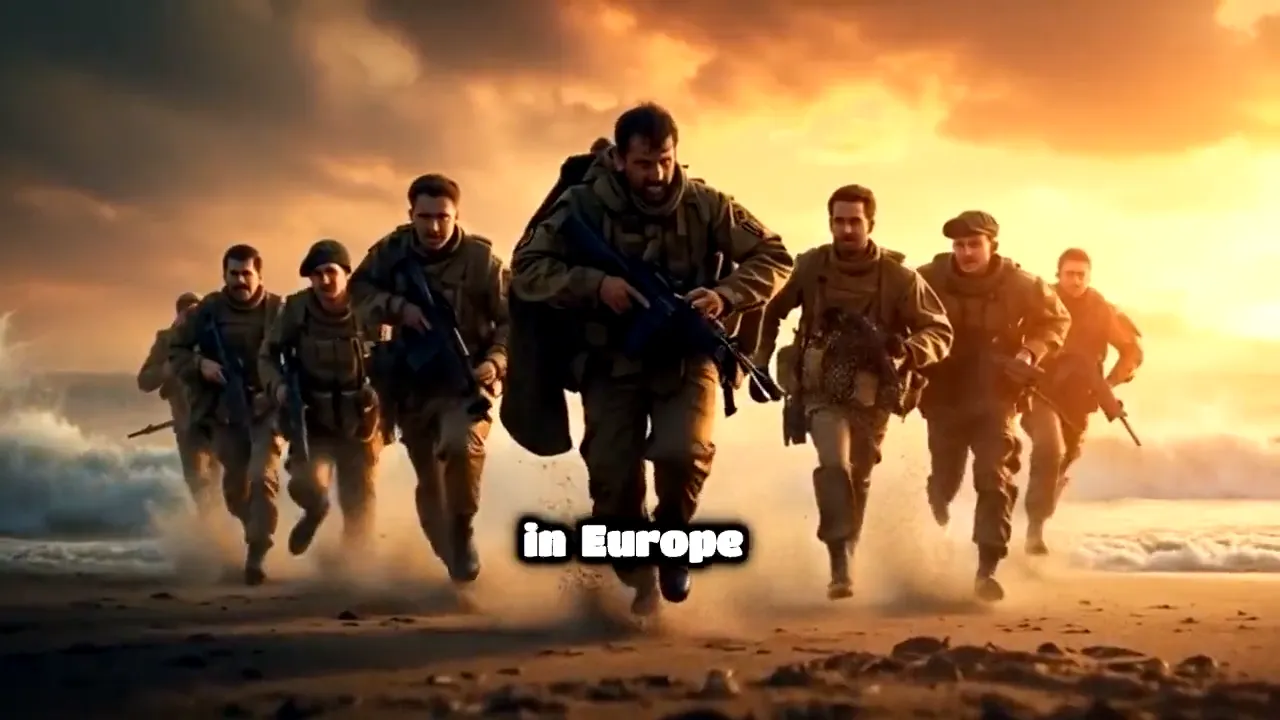
A few videos rendered in Blipix: a war history story, a fruit drama, a POV time-travel short. Same editor, very different results depending on the template and art style.

HistoryBravery at Omaha Beach

FAQ10 answers

AI Motivational Video Generator FAQ

Straight answers about our AI Motivational Video Generator, from first script to published video.

Still have a question?

Write to us and a real person on the team replies.

You write a short talk, or describe one in Custom Prompt, then choose an art style and a narrator. Each sentence becomes a scene with captions and music. You can edit any line, swap a scene or change the track before you download or post.

Yes, one. Free accounts start with 10 credits, and a 30 to 60 second video in the Prompt, Script or Preset templates costs 10. Free videos carry a watermark and longer durations need a paid plan. The pricing page lists what each plan adds.

About 110 to 120. The demo fits 112 words into 43 seconds, roughly 2.6 words per second. If a draft runs long, the Shorten tool trims it, but cutting the weakest slogan yourself usually improves the talk more than an automatic trim.

Usually a low, steady one. Discipline and comeback talks land better when the narrator sounds certain rather than loud, while workout content can take more edge. Preview a few of the 100+ voices with your opening line, filtering by age, accent or use case.

Write your own words instead of reusing someone's recorded speech, which belongs to whoever made it. Short quotes are common, but check each one against a source you can cite first, because many popular motivation quotes are misattributed.

Abstract lines give the image model nothing to draw, so it sometimes paints the words themselves. Rewrite the sentence around a moment, like an alarm at 5 AM or chalk on someone's hands, then regenerate that one scene, which costs from 1 credit.

Not automatically. Each scene is drawn from its own line, so the cast can change, as it does in the demo. Repeat two visual details in every sentence, or use Consistent Character on a paid plan to keep one person's look from a reference image.

Yes. Voice cloning lets you narrate with your own voice, which helps coaches and creators whose audience already knows how they sound. Each video still has a single narrator, so write the talk for one speaker.

Yes, on paid plans. Turn the format into a series and Blipix posts to YouTube, TikTok or Instagram once a day, twice a day or three times a week. Read each script before it goes out. YouTube automation explains the scheduling.

Yes. Narration works in 32 languages, including Spanish, Portuguese, Hindi and Arabic, and the captions follow the narration language. Write the talk in that language rather than translating an English draft, so the rhythm sounds natural when spoken.

Write the talk you needed today

One idea, one voice, about 110 words. Hear how it sounds.

Try Blipix
  1. Script
  2. Voiceover
  3. Visuals
  4. Captions