Create Human Anatomy Videos

Create human anatomy videos that turn your lesson plan into clear visuals people can actually follow. Add a voiceover, captions, and background music for TikTok and YouTube. Our platform helps you go from text to a finished video fast.

Voiceover and captions includedAnatomy-focused visualsTikTok and YouTube readyFaceless video creation

Script

Choose a topic or add your own with Custom Script/Prompt

107/1200 words

Art Style

Select from 30 art styles to define the visual aesthetic of your video

Surrealism
Surrealism
Retro Pixel Art
Retro Pixel Art
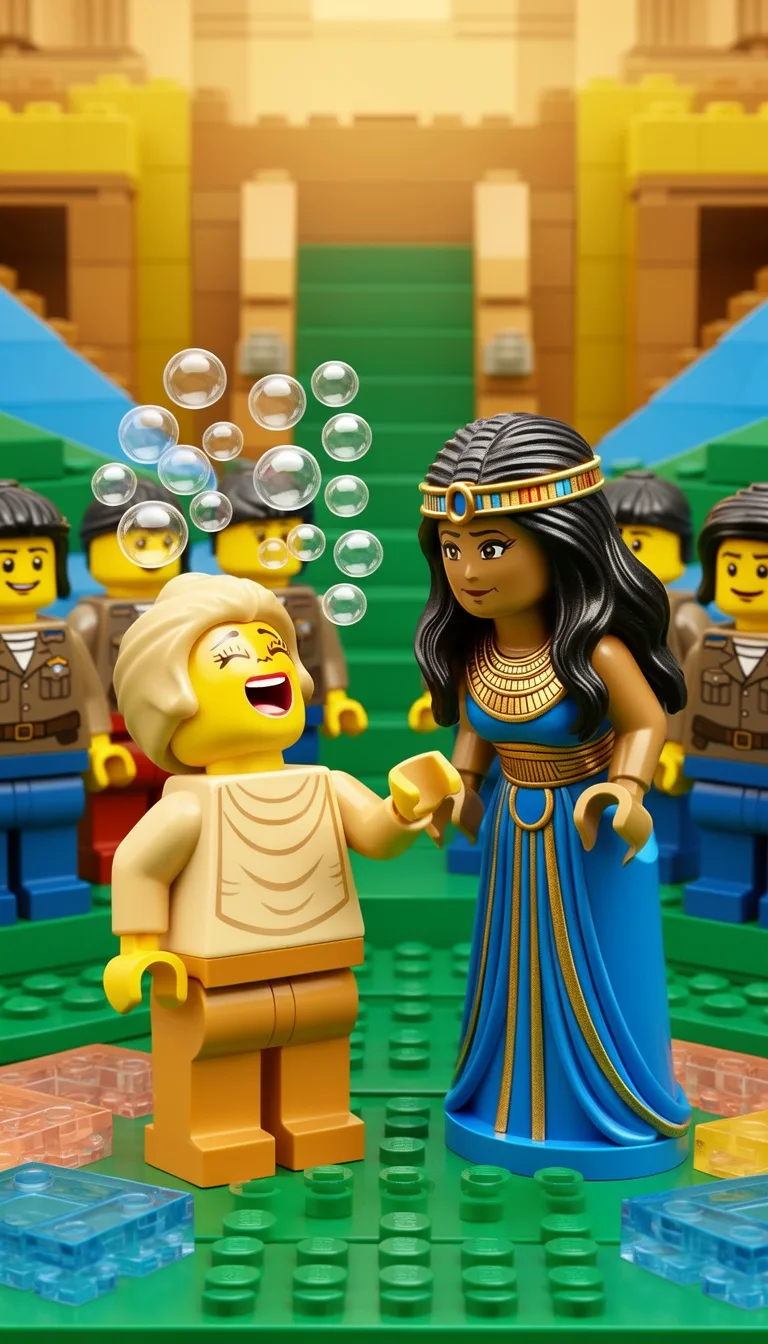
Lego
Lego
Creepy Comic
Creepy Comic
Plastic Toy
Plastic Toy
Cyberpunk
Cyberpunk
Photo Realism
Photo Realism
Lo-Fi Vibes
Lo-Fi Vibes
Halloween
Halloween
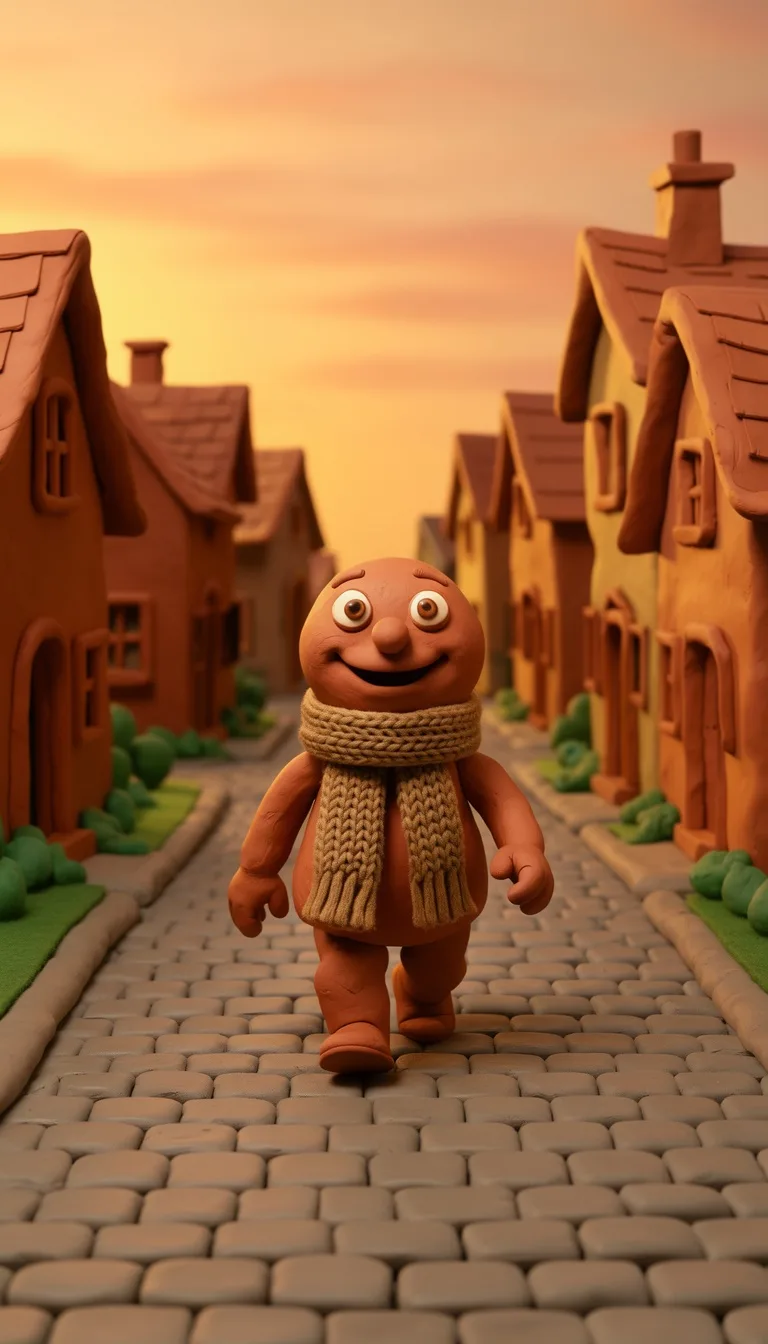
Blipix
Blipix
Minecraft
Minecraft
Japanese Ink
Japanese Ink

Animate Frames+10 credits

Grab attention instantly and boost watch time by up to 40%.

Narration Voice

Choose the perfect voice for your narration

Echo

Narration, Informational

MaleYoungAmerican

Fable

Storytelling, Fantasy

MaleMiddle-agedBritish

Jessica

conversational

FemaleYoungAmerican

Will

social media

MaleYoungAmerican

Music Settings

Select or generate the perfect music for your video

Highlights

Rock, Motivational

Quiet before storm

Dramatic, Tension

Stradivarius

Motivational, Inspiring

Acoustic Inspirational

Acoustic, Inspiring

Language

Select the language of your video

Aspect Ratio

Select the aspect ratio of your video

Get started free • No credit card required • First video on us

Example Output

Target Audience

Who is this tool for?

Med students and tutors

You can turn lecture notes into short explainers that students can rewatch before exams. Instead of searching for diagrams, you create consistent lesson videos around your topics. This helps you study and share ideas with less prep time.

Science YouTubers

Build a series where each episode covers one body system or one movement topic. You stay focused on the teaching, while the platform creates visuals, captions, and audio for each new script you write. It is easier to keep posting when production does not slow you down.

Fitness coaches and educators

Explain joints, muscles, and movement in a way that your audience understands. Create videos for workouts, injury prevention, and form tips without needing a camera setup. Your content looks consistent across platforms.

Niche content teams

If you cover many topics across one channel, anatomy can fit neatly into your library of lessons. Generate multiple variations by adjusting your wording and examples, then schedule posts for TikTok, Reels, and Shorts. Keep your style recognizable while changing the subject.

Why This Tool

Everything you need to know

101

Blipix: Create Human Anatomy Videos for Lessons

Turn your anatomy explanation into a finished video that viewers can follow on mobile. Choose your AI voice, then let the platform create captions and visuals that match your teaching order. When you want to post a new topic, you only need to update your text. Try it free and see how fast you can go from topic idea to a downloadable result.

202

Generate clear anatomy visuals from your text

Describe what you want to teach, like muscle groups in a specific action or how a system works step by step. The tool builds the visuals to support each part of your narration. Captions are added automatically, so your message stays readable even with sound off.

303

How to make anatomy lessons in three steps

First, paste your lesson script and break it into small ideas. Next, pick the voice and the style you want for your channel. Finally, generate the video, download it, and post to Shorts, Reels, or YouTube.

404

Use anatomy videos across your content plan

Create a series for one body system, then rotate through new topics using the same structure. You can also make quick “what to remember” clips to keep viewers coming back. The platform helps you keep your teaching consistent while changing the subject each time.

Why Choose Blipix for Human Anatomy Videos?

Real anatomy video production can be slow because you need visuals, recording time, and lots of retakes to keep the message clear. The platform turns your explanation into a complete video with visuals, narration, captions, and sound so you can publish more often.

Content control

Specify which body parts, movements, and steps you want shown so your lesson stays on track.
Filming limits you to what you can capture in front of the camera, which can force compromises.

Consistency

Keep the same look and structure across new topics, even when your team changes scripts.
Lighting, angles, and props can shift from take to take, making lessons feel uneven.

Caption readability

Auto captions are added with your voiceover so mobile viewers can follow along.
Manual captioning takes time and can delay your posting schedule.

Production time

Generate a full lesson video from your text and download it for TikTok or YouTube.
You often need extra days for editing, exports, and revisions.

Scenario variety

Cover everything from joint movement to organ system flow without changing your filming setup.
Some topics require new locations, props, or complex setups each time.

Volume of ideas

Create multiple anatomy videos in one session by reusing your teaching format and swapping scripts.
Each new topic can mean starting production from scratch.

Make anatomy lessons match your audience

Need quick explainers for Shorts, or longer breakdowns for YouTube? Pick the pacing by changing how your script is written, then generate visuals that support each idea. If you want a more friendly or more clinical tone, you can swap the voice and keep everything else consistent.

How It Works

Paste your anatomy script or outline, then choose an AI voice that fits your teaching style. The tool creates visuals, voiceover, captions, and music, so you are ready to export and post. Try it right now to see if it matches your content goals.

Step 01

Paste Your Anatomy Script

Write a simple lesson, like “Explain the brachial plexus in 6 steps” or “Show how the knee joint bends.” Keep each idea in its own sentence so the visuals can follow your flow. This is what your final video is built from.

Step 02

Pick Voice, Captions, Style

Choose the AI voice, then decide how formal you want it to sound. The platform handles captions automatically, so your message stays readable. You can also pick the visual look that fits your channel.

Step 03

Generate and Download

Hit generate and review the result with voiceover, captions, and background music already included. Download the finished video and post it on TikTok or YouTube. You can tweak your script and regenerate if you want a tighter version.

How to create human anatomy videos with AI

Write a short description of what you want to teach, like the path of blood flow or how joints move. The platform turns it into a structured video so your viewers are not stuck reading a wall of text. You can reuse the same format for new topics without starting from zero every time.

FAQ

Frequently asked questions about our create human anatomy videos

01

What should I write to create anatomy videos that make sense?

Use short sentences that follow a clear order, like definition first, then steps, then a quick recap. If you want viewers to understand fast, describe what changes in each section, for example “from flexion to extension.”
02

Do I need special recording gear to publish anatomy lessons?

No recording gear is required for the video itself. You provide the text and choose your voice, and the tool handles visuals, voiceover, captions, and background music so you can publish right after you download.
03

How do you create human anatomy videos for TikTok-style explainers?

Write your script in tight segments, each covering one idea, like “what it is” and “why it matters.” Short captions and a clear voice help keep attention, and you can tailor the pacing by how many sentences you include.
04

Can I match the video tone to a beginner or advanced audience?

Yes. Pick a voice that fits your style and rewrite your script with the right level of detail. Beginners do better with plain language and quick examples, while advanced viewers need more specific wording.
05

Will captions be readable on mobile screens?

Captions are added automatically, which helps your message stay clear on small screens. If you notice anything getting cramped, shorten lines in your script or break longer explanations into separate sentences.
06

Can I create anatomy videos for YouTube series topics?

Absolutely. Plan one body system per episode or one movement per video, then keep your format consistent across the series. When viewers know what to expect, they tend to watch more of your channel.
07

How long should my anatomy script be?

Aim for a script that covers a single lesson, not an entire textbook. If you include too many points, the video can feel crowded, so remove anything that does not directly help the main takeaway.
08

What if my first version does not match the visuals I imagined?

You can edit your script and regenerate to steer the visuals. Try swapping a few phrases for clearer descriptions like “show the front view,” “highlight the joint,” or “focus on the pathway.”
09

Is it hard to create human anatomy videos without editing software?

You do not need editing skills. Paste your text, pick a voice, then generate the full video with captions and music already included. Blipix handles the heavy lifting so you can focus on teaching.
10

How do I get the best results for anatomy accuracy?

Double-check the names and relationships you describe in your script before generating. If you are teaching a complex pathway, add step-by-step language so the narration and visuals stay aligned with what you want viewers to remember.

Generate your anatomy video today

Start free, no signup required to try it.