Choose a topic or add your own with Custom Script/Prompt
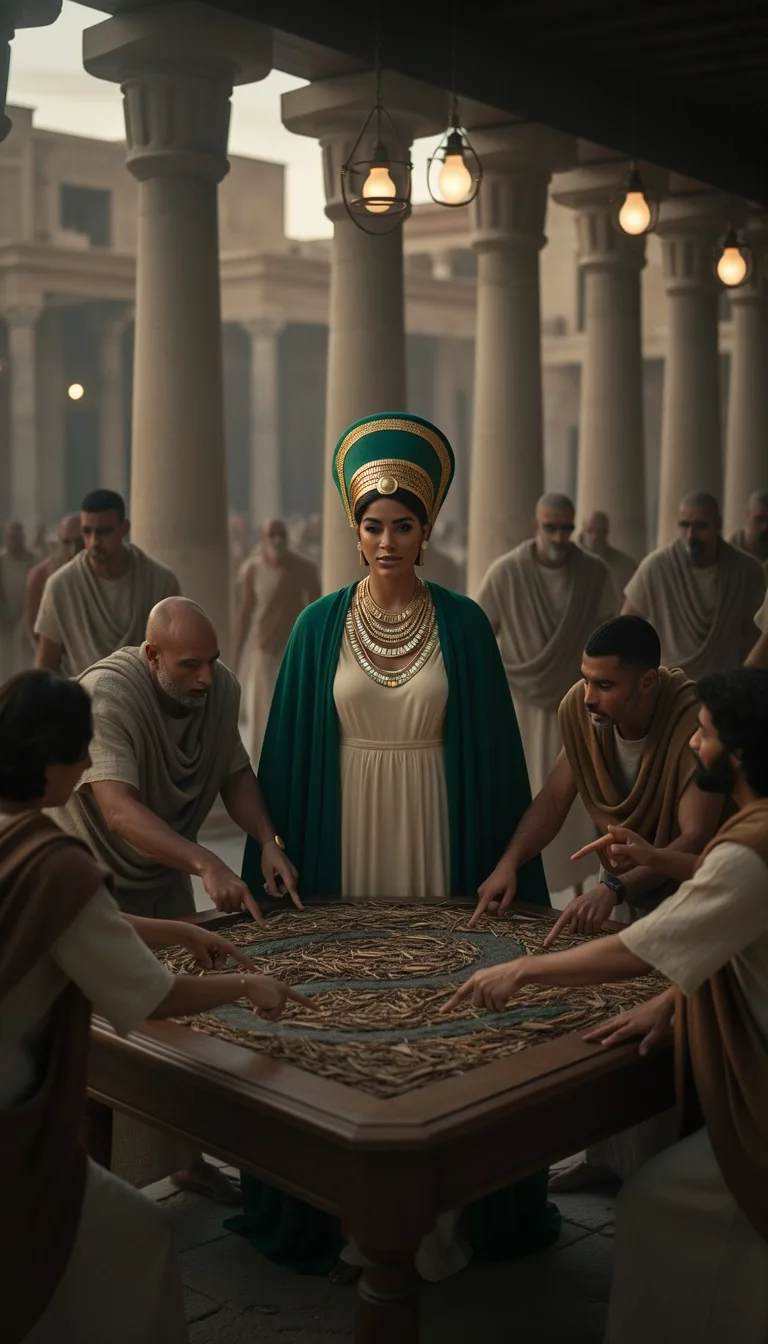
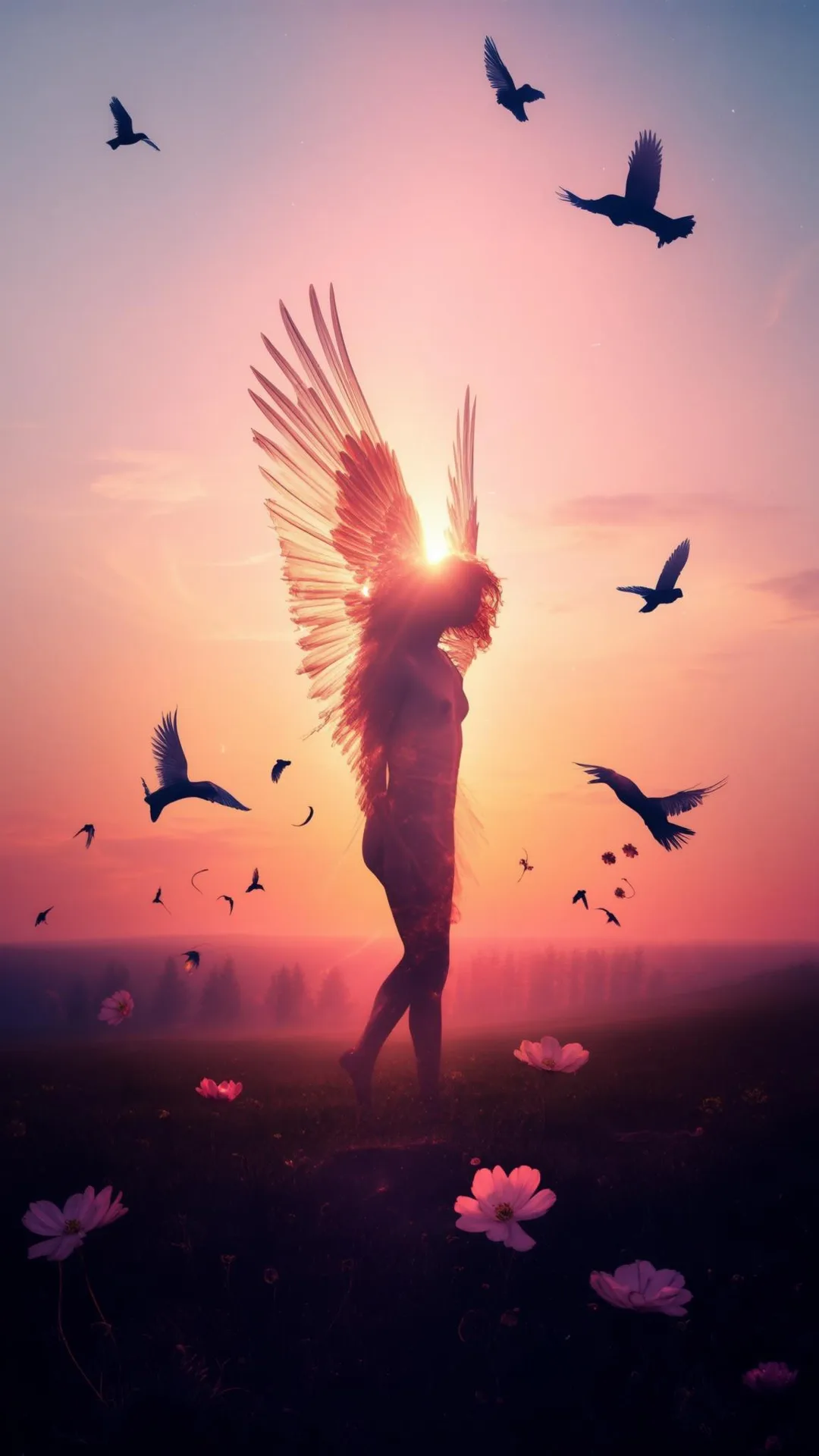
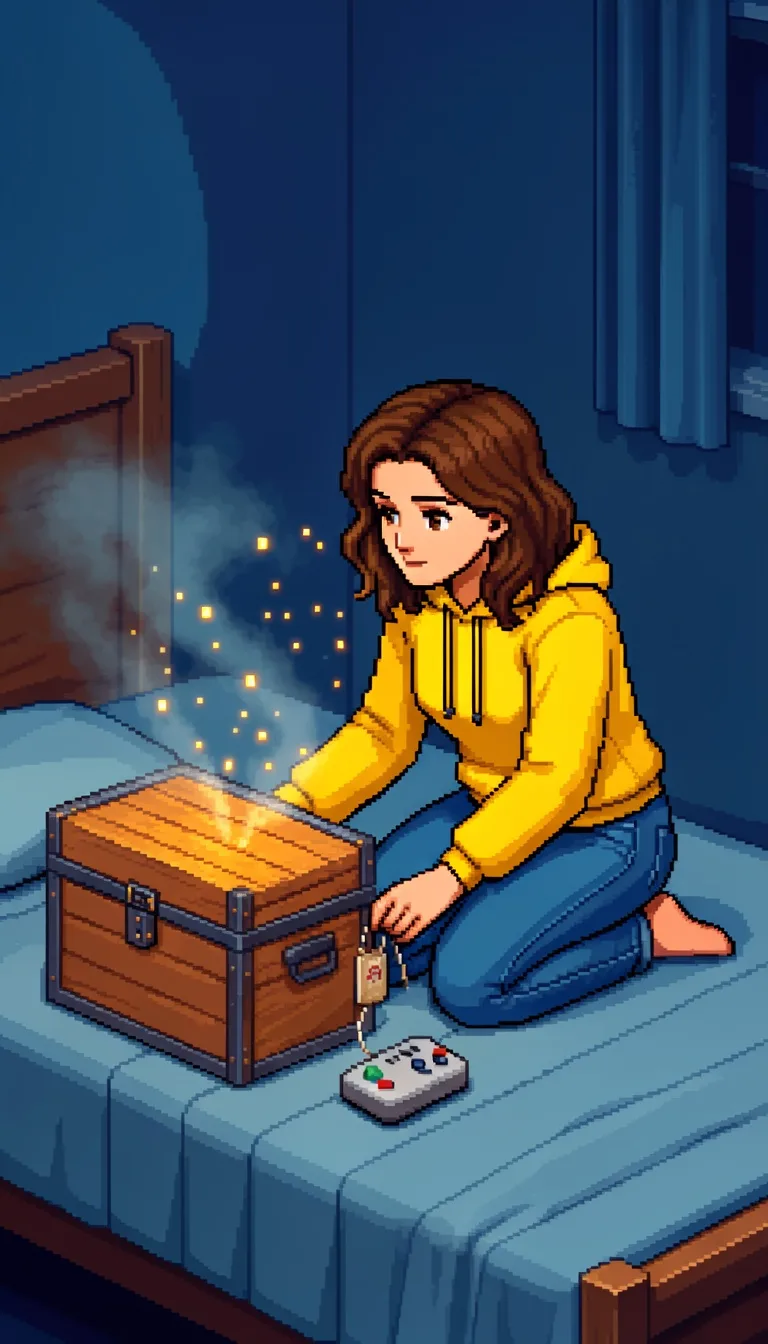
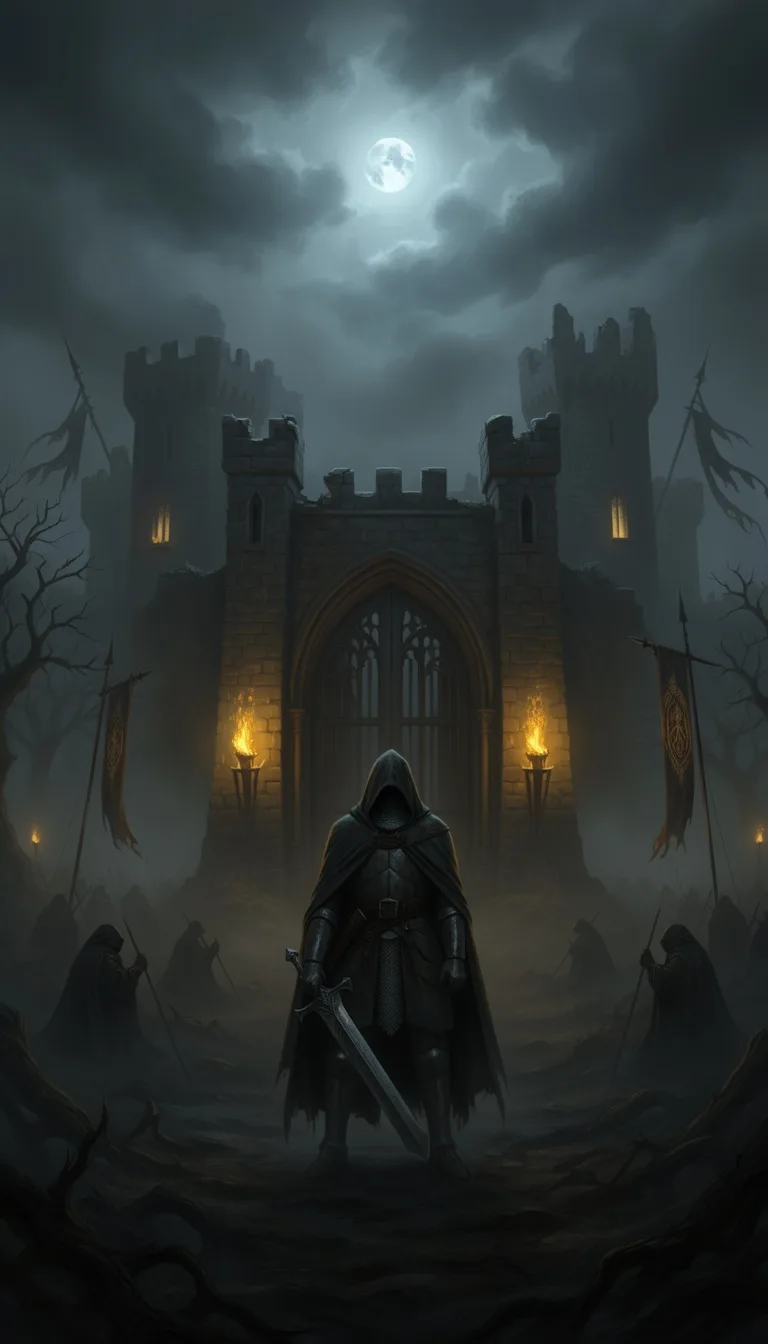
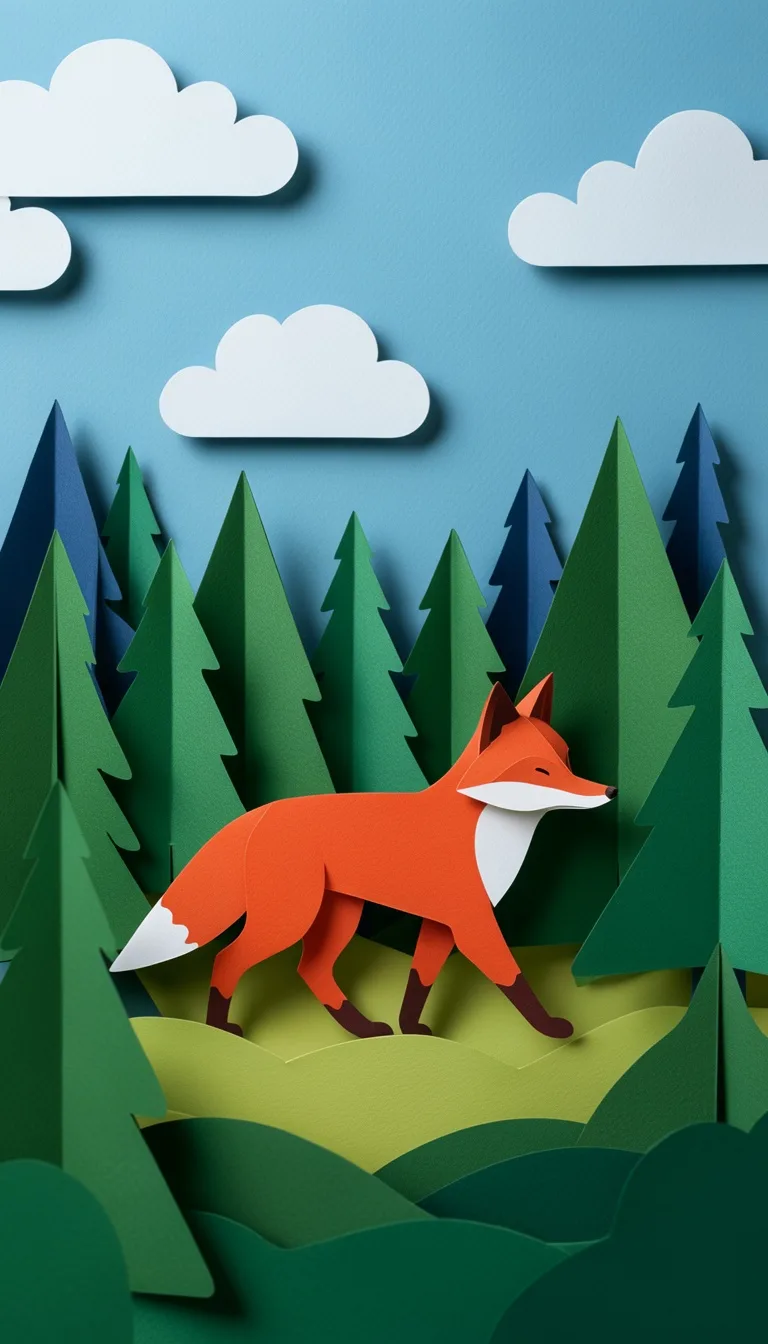
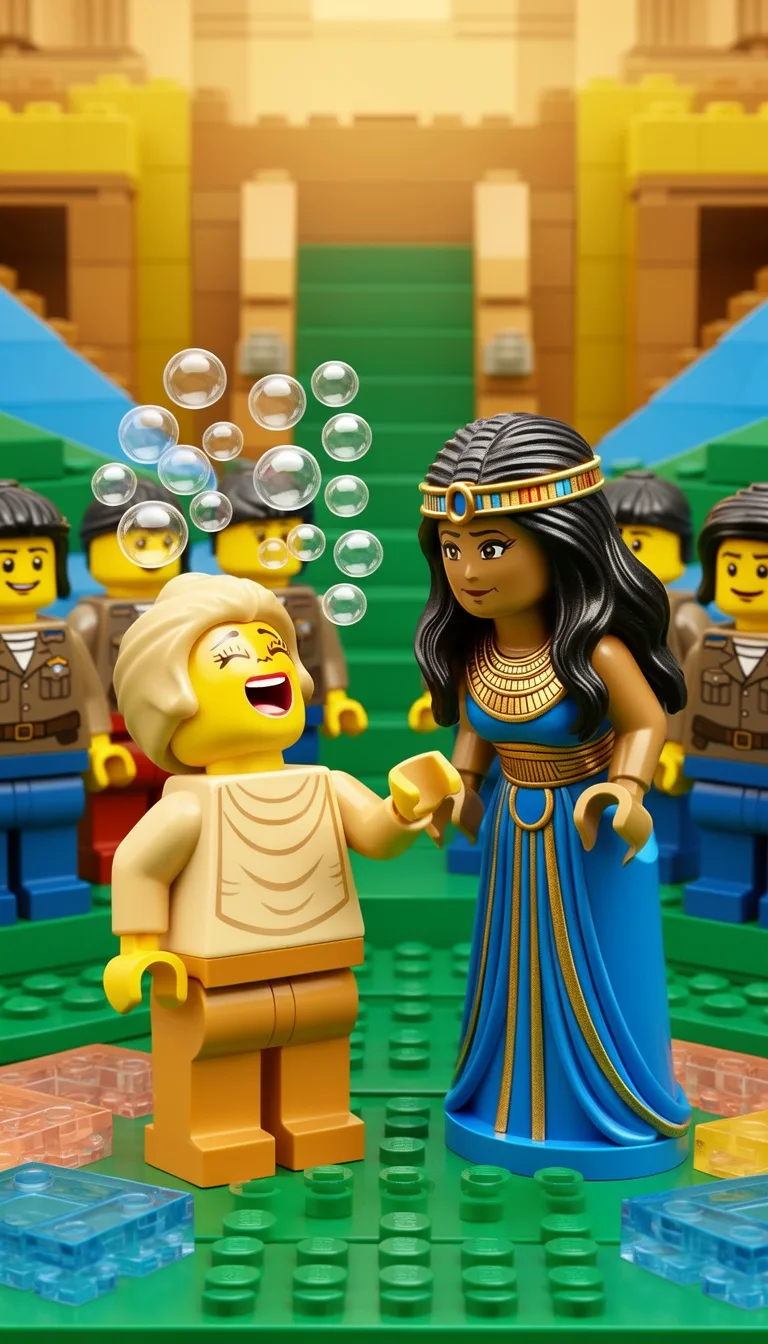
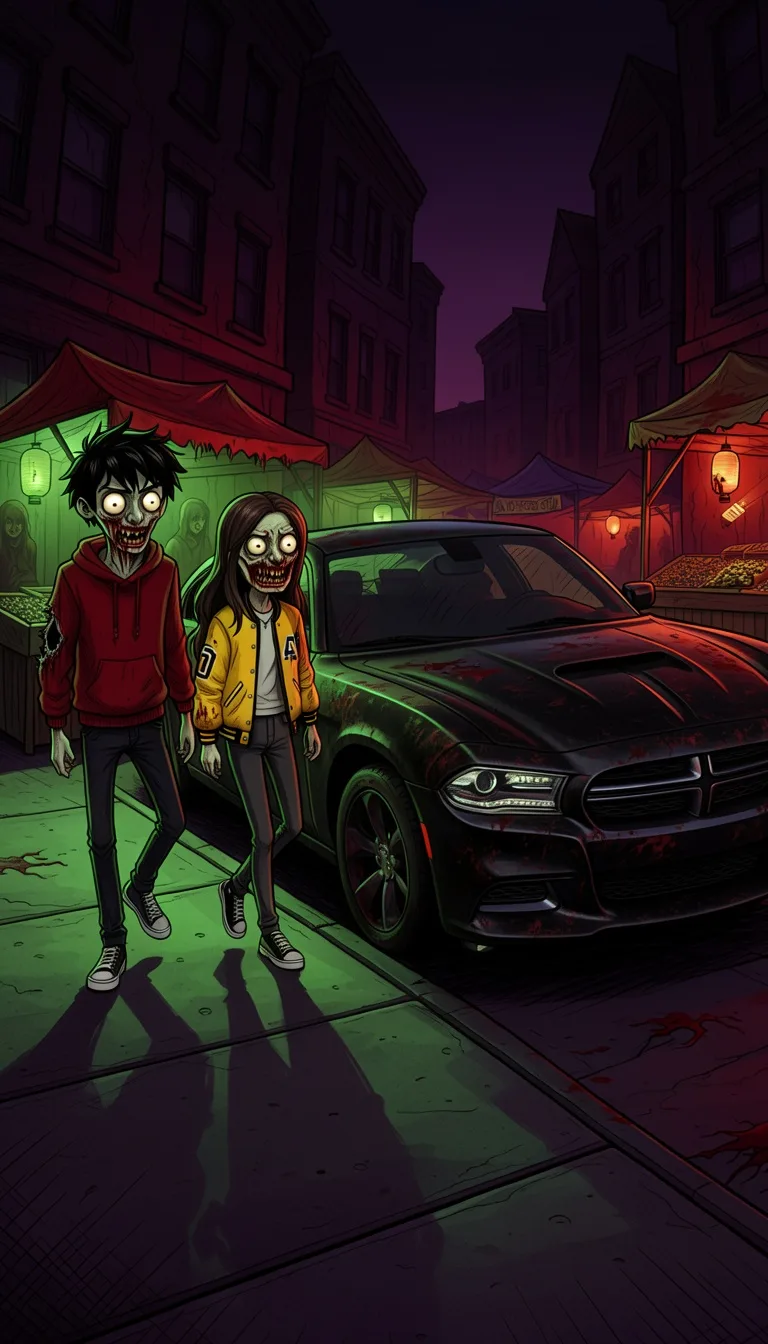
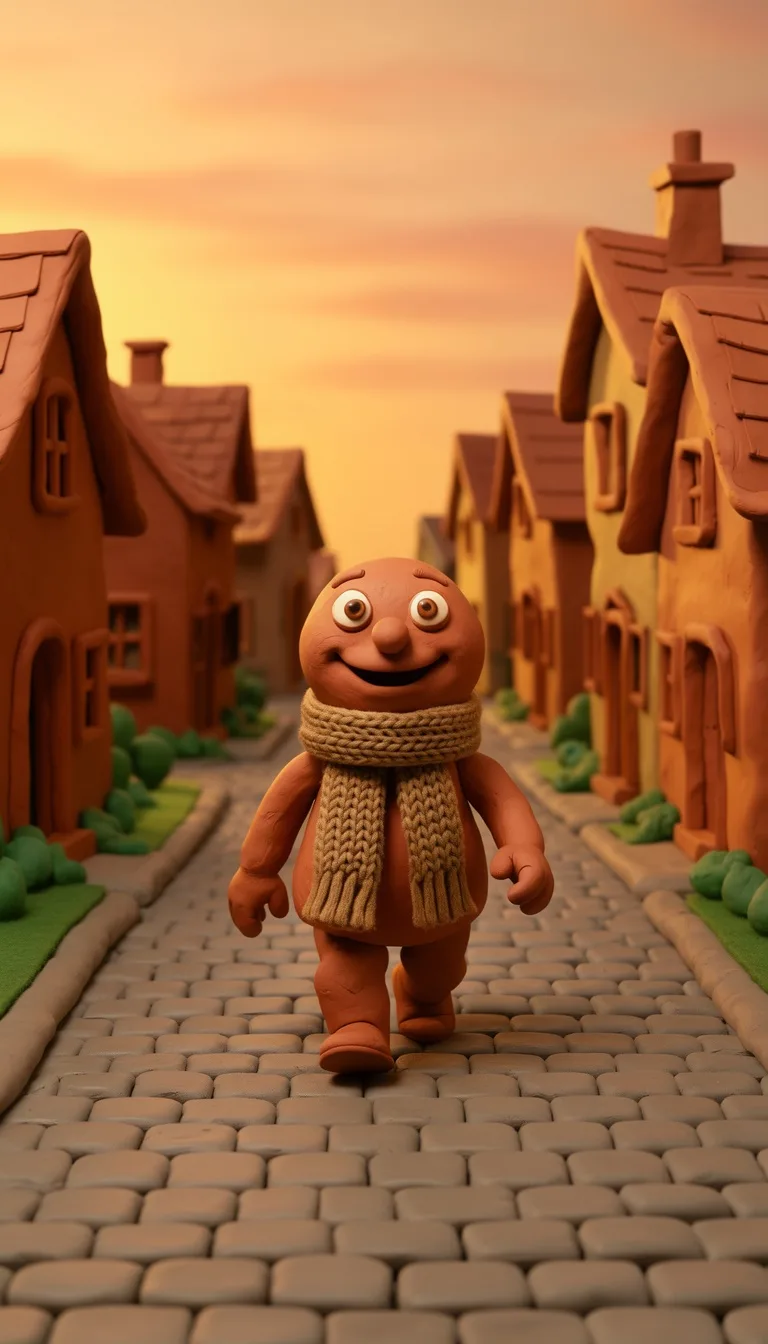
Select from 30 art styles to define the visual aesthetic of your video
Cinematic
Surrealism
Retro Pixel Art
Lego
Creepy Comic
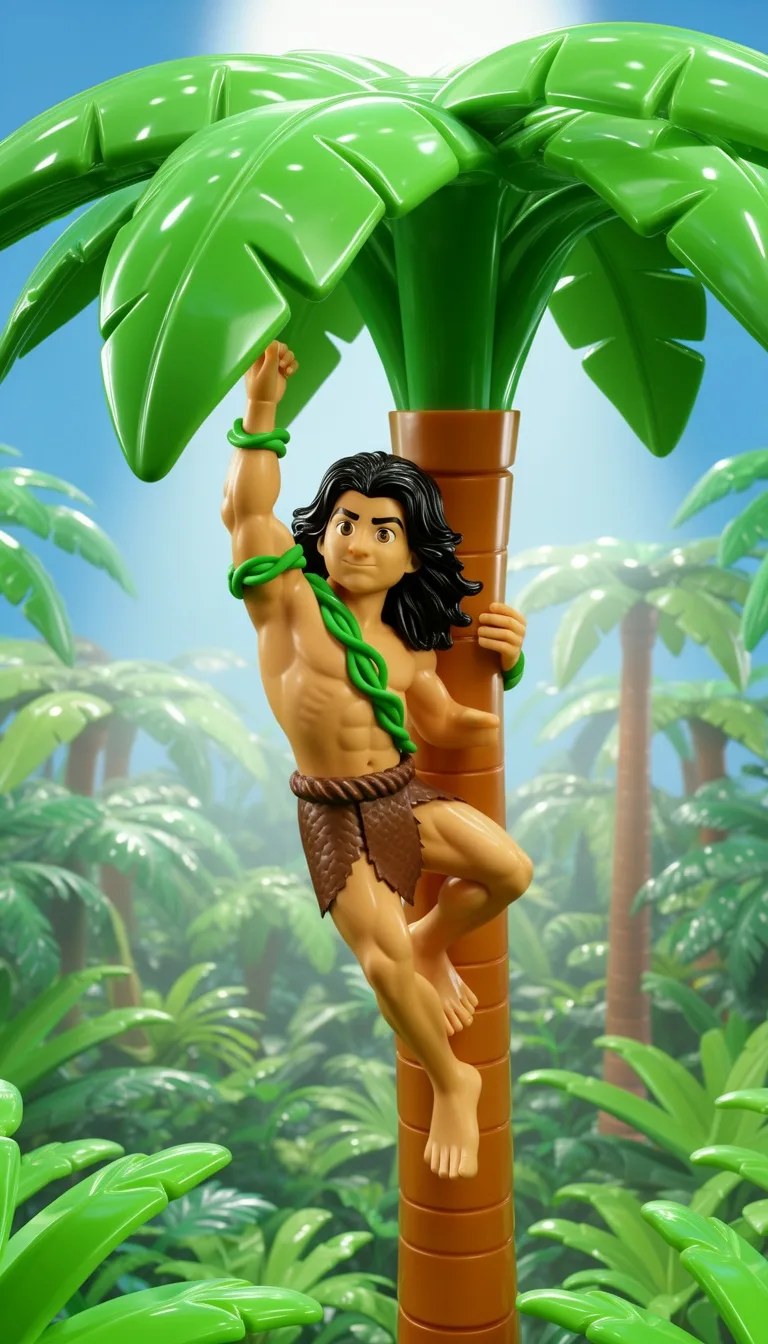
Plastic Toy
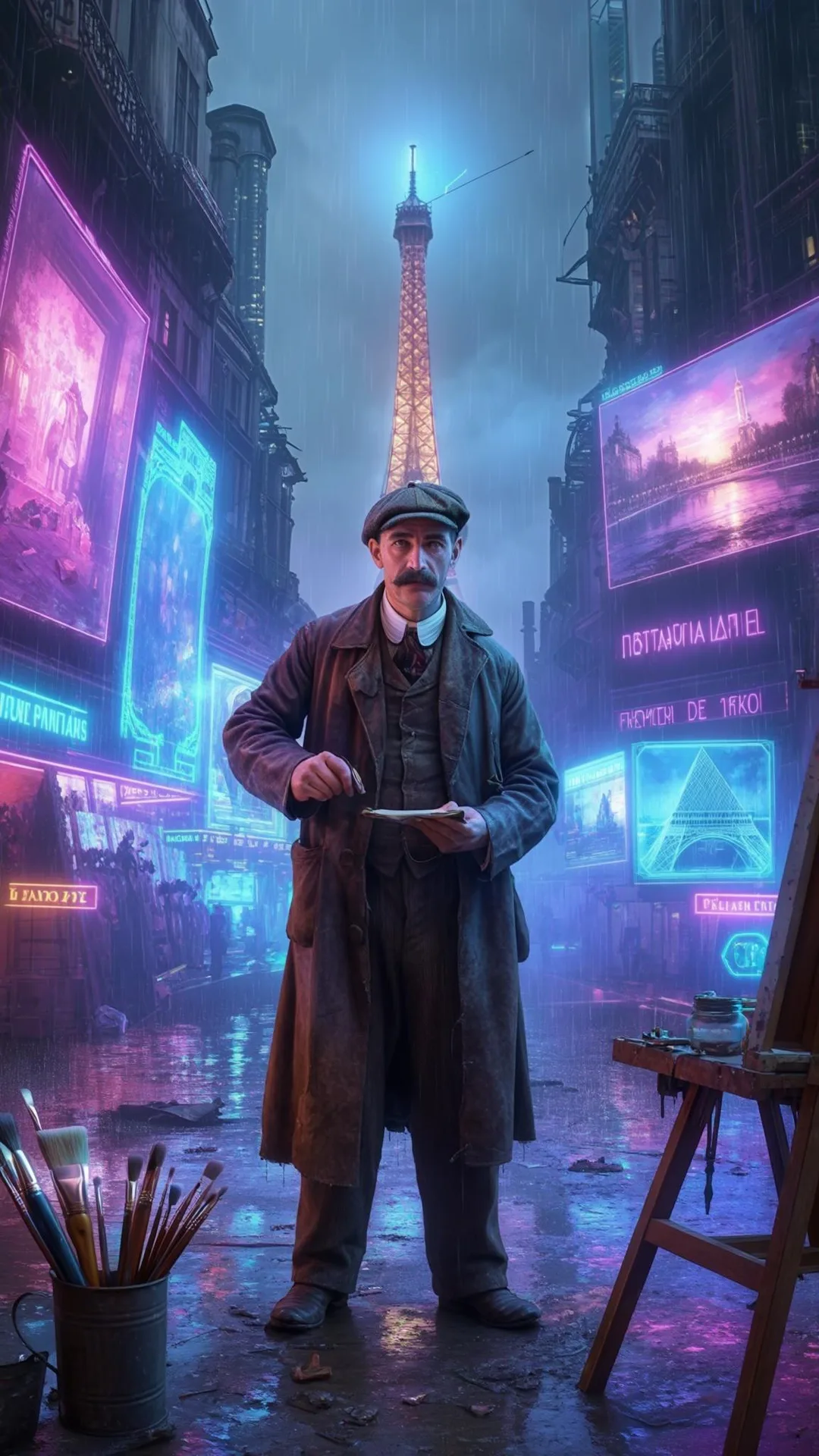
Cyberpunk
Photo Realism
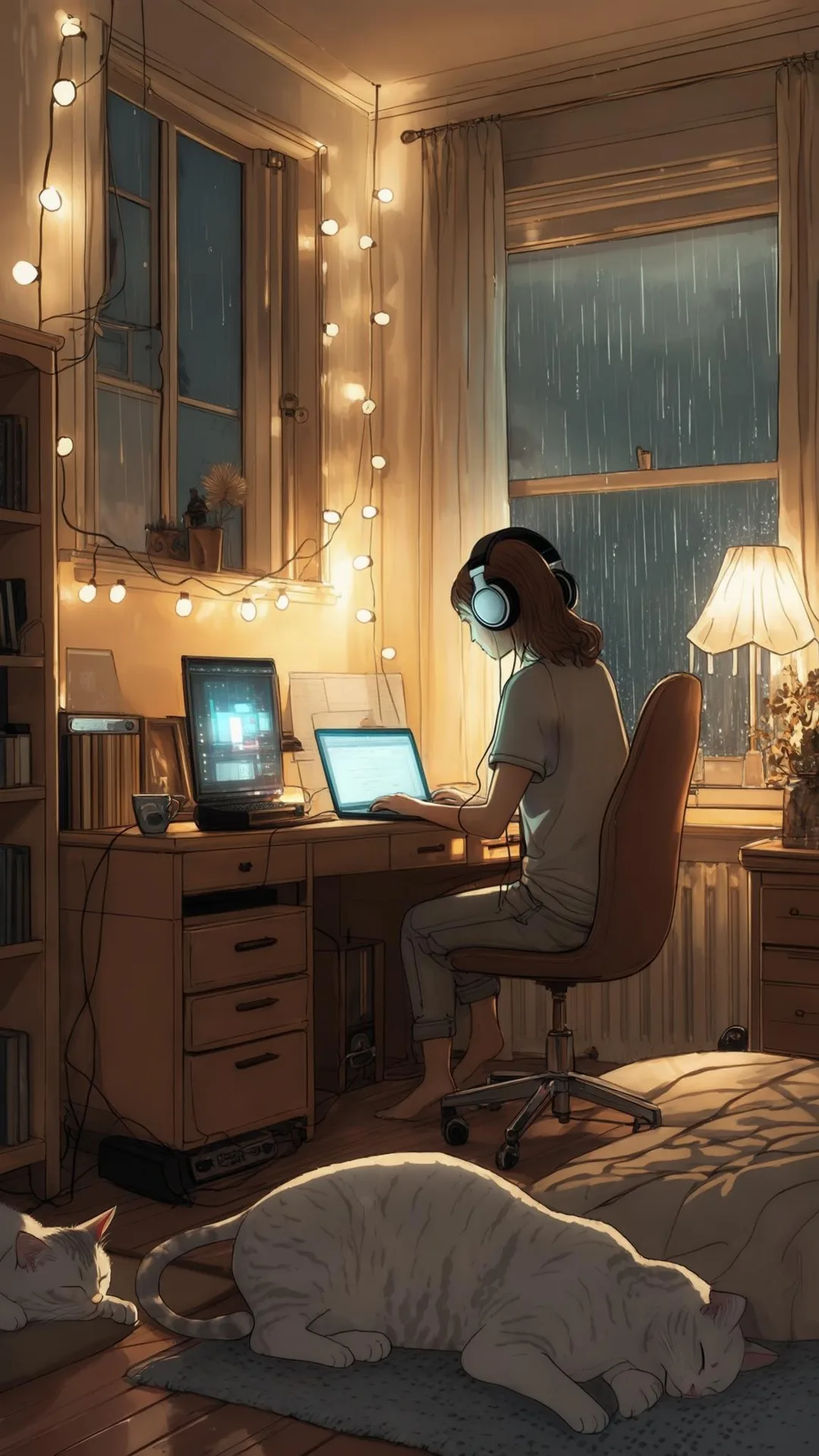
Lo-Fi Vibes
Halloween
Blipix
MinecraftGrab attention instantly and boost watch time by up to 40%.
Choose the perfect voice for your narration
Echo
Narration, Informational
Fable
Storytelling, Fantasy
Jessica
conversational
Will
social media
Select or generate the perfect music for your video
Highlights
Rock, Motivational
Quiet before storm
Dramatic, Tension
Stradivarius
Motivational, Inspiring
Acoustic Inspirational
Acoustic, Inspiring
Select the language of your video
Select the aspect ratio of your video
Get started free • No credit card required • First video on us
Who is this tool for?
You can create lesson wrap-ups and concept reviews without filming on camera. When your students need a quick reminder, you publish a topic-focused video with captions, ready for class or homework.
Turn your ideas into a repeatable content series, like “one experiment, one takeaway” or “myth versus fact.” You get a consistent format so your audience knows what to expect each time.
If you struggle to turn complex findings into something simple, the platform helps you translate your script into visuals and spoken narration. You can focus on clarity, definitions, and the why behind the results.
Add science content alongside your other interests without buying new gear. You can cover different themes, like space, biology, or tech, while keeping the same creation process for every post.
Everything you need to know
Turn your written explanations into a finished science video with visuals, narration, captions, and background music. Your job is to write clearly and pick a voice that fits your audience. The platform turns that text into a shareable result you can publish on TikTok, YouTube, Instagram, and beyond. If you want your science content to look polished without the usual production grind, this is the quick path.
Describe what happens in your experiment or what a concept means, and the platform builds visuals around your words. Captions help viewers follow along while audio carries the main message. Background music supports the pacing without taking over. You can focus on teaching, not formatting or editing every segment.
First, paste your science script and make sure each idea is easy to understand. Next, choose voice and a look that matches the vibe of your topic. Finally, generate your video, download it, and post it where your audience already watches.
Use the same subject to make multiple clips, like “definition,” “common mistake,” and “quick experiment.” Each episode can target a different part of the lesson so viewers stay curious. This approach also helps you build a longer series without starting from zero each time.
Making science videos the normal way is slow because you need footage, narration, captions, and edits that match your explanation. With AI generation, you can turn your written explanation into a complete video without the usual setup delays.
| Feature / Benefit | Blipix Create Science Videos | Real Science Video Filming |
|---|---|---|
| Content control | Tell the platform what to explain, the order of steps, and the tone you want. | You have limited control over what footage looks like and how it fits your script. |
| Consistency | Repeat the same format for multiple episodes so your series feels uniform. | Each filming day can look different, which makes series consistency hard. |
| Sound and captions | You get voiceover and captions based on your text in one go. | Captions and narration often require separate tools and extra time. |
| Production time | Start with text and get a ready-to-post video without building everything manually. | Filming, editing, and assembling audio can take many hours or days. |
| Scenario variety | Explain anything from everyday science to imagined setups without reshoots. | Some concepts are hard or impossible to capture with real footage. |
| Volume for a series | Generate lots of topic variations to find what your audience likes. | More episodes usually mean more filming time and extra planning. |
If you want the same topic in multiple formats, the platform helps you re-cut your message by changing the length and tone in your text. Then you export a version that fits where people scroll, like Reels, Shorts, and TikTok.
You paste your science script and choose an AI voice that matches your vibe. Next, the platform generates visuals, voiceover, captions, and background music from your text so you do not have to edit every piece yourself.
Write what you want to explain, or copy a ready outline. The clearer your steps and key terms are, the easier it is for the visuals and captions to line up with your message.
Pick an AI voice, then select a visual style and how the narration should feel. You can also adjust the background music direction so the clip sounds right for the topic.
Hit generate and review your science video as a single finished file. When it looks good, download it and post to TikTok, YouTube, Instagram, or anywhere you share short-form videos.
You can turn a lesson plan, experiment idea, or myth-busting script into a finished video your audience can actually watch. It builds visuals to match what you say, adds voiceover, and includes captions so viewers do not miss the key points on silent mode.
Discover more tools to enhance your content creation workflow
Turn anatomy scripts into faceless videos with voiceover, captions, and visuals.
Make neurology explainer videos with visuals, voiceover, captions, and music from your text.
Create math lesson videos with AI voice, captions, and visuals for Shorts and TikTok.
Turn food and nutrition scripts into social-ready videos with voice, captions, and music.
Create faceless AI news videos from your script, with voiceover and captions.
Paste a bedtime story, choose a voice, and get a ready-to-share faceless video.
Frequently asked questions about our create science videos