Create Neurology Videos

Create neurology videos that teach complex concepts in a way people actually watch. Turn your notes into a full faceless clip for TikTok, YouTube Shorts, or Instagram Reels with voiceover, captions, and visuals. Our you-friendly tool makes it fast to publish what you mean.

Faceless neurology explainersAI voiceover includedAuto captions on screenMusic that fits the pace

Script

Choose a topic or add your own with Custom Script/Prompt

0/1200 words

Media Type

Choose how Blipix fills your scenes with visuals.

AI Images
AI Motion Video
Stock photos
Stock video

Art Style

Select from 30 art styles to define the visual aesthetic of your video

Cinematic
Cinematic
Surrealism
Surrealism
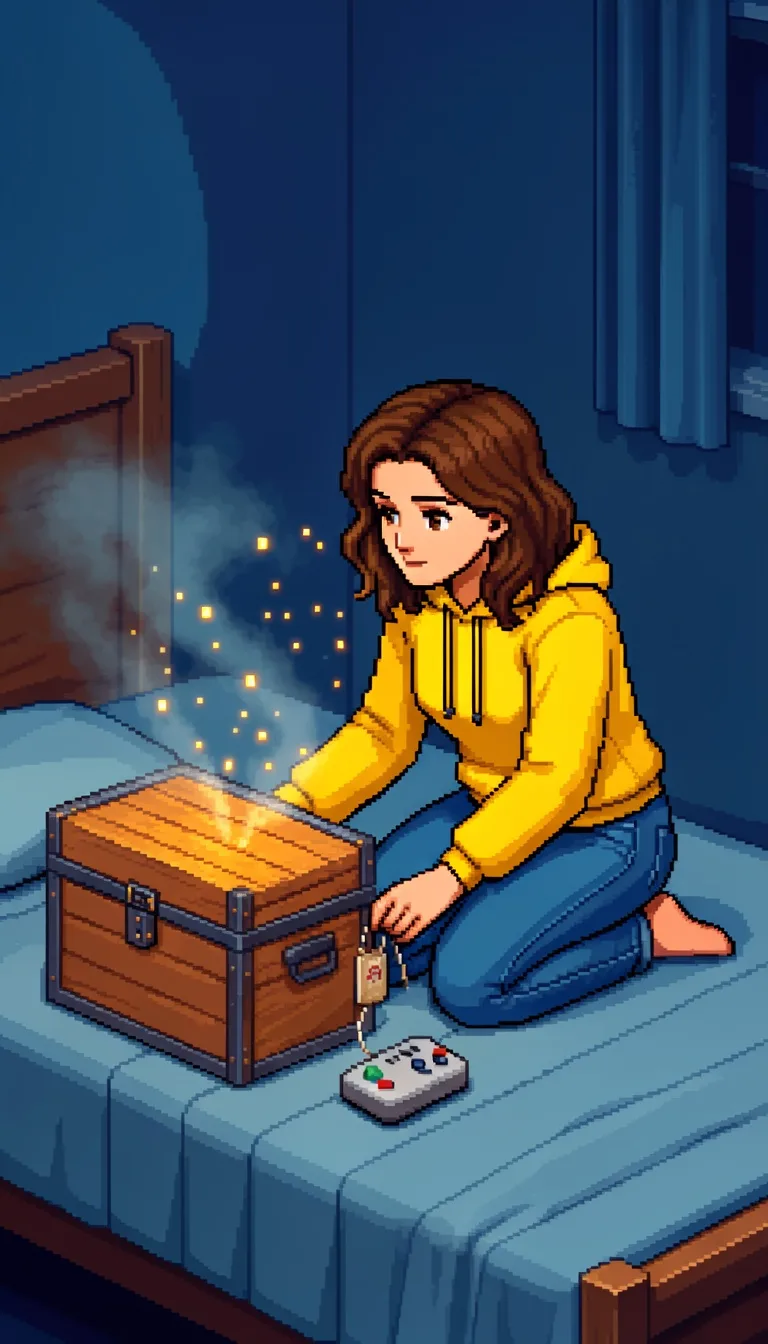
Retro Pixel Art
Retro Pixel Art
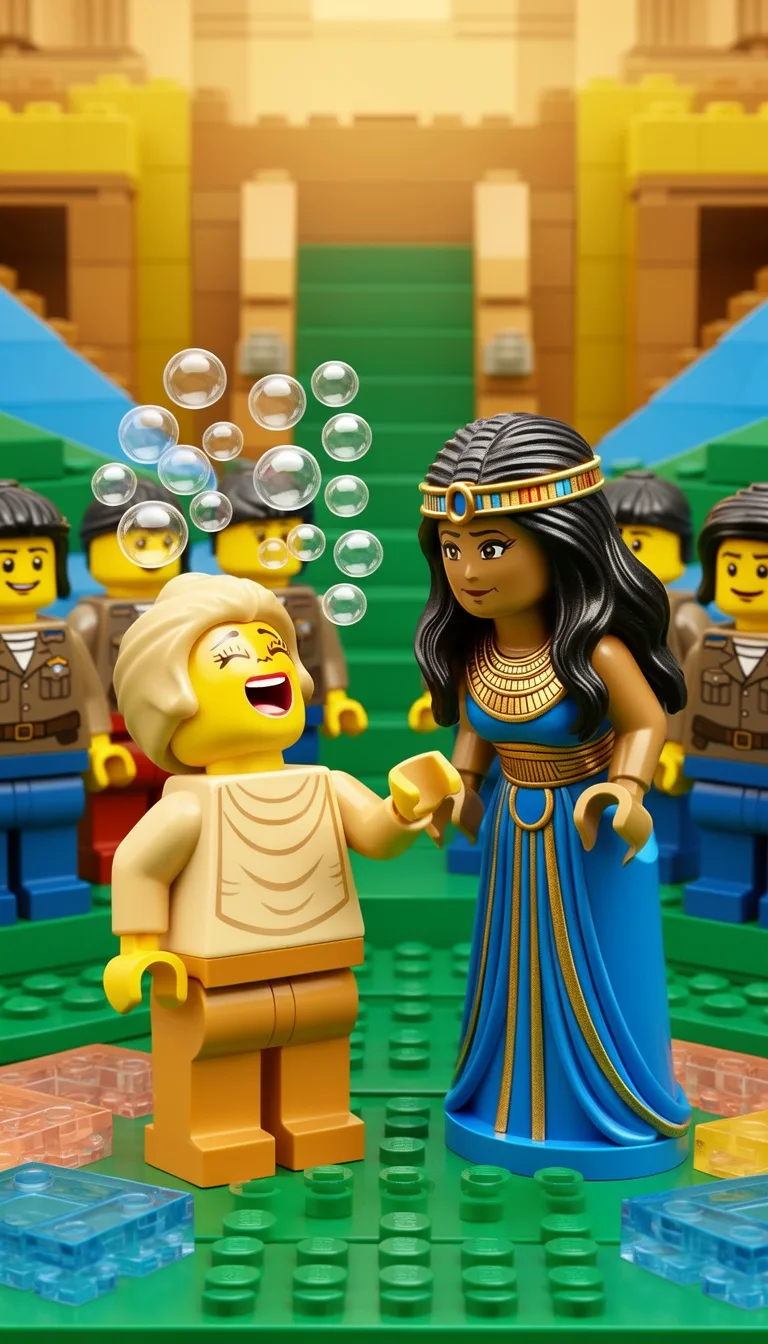
Lego
Lego
Creepy Comic V2
Creepy Comic V2
Plastic Toy
Plastic Toy
Cyberpunk
Cyberpunk
Photo Realism
Photo Realism
Lo-Fi Vibes
Lo-Fi Vibes
Horror
Horror
Blipix
Blipix
Minecraft
Minecraft

Animate Frames+10 credits

Grab attention instantly and boost watch time by up to 40%.

Narration Voice

Choose the perfect voice for your narration

Fable

Storytelling, Fantasy

MaleMiddle-agedBritish

Jessica

conversational

FemaleYoungAmerican

Onyx

Authoritative, Documentary

MaleMiddle-agedAmerican

Will

social media

MaleYoungAmerican

Music Settings

Select or generate the perfect music for your video

Highlights

Rock, Motivational

Quiet before storm

Dramatic, Tension

Stradivarius

Motivational, Inspiring

Acoustic Inspirational

Acoustic, Inspiring

Language

Select the language of your video

Aspect Ratio

Select the aspect ratio of your video

Get started free • No credit card required • First video on us

Example Output

Target Audience

Who is this tool for?

Clinician educators

You can turn patient-friendly explanations into short lessons that fit typical social viewing habits. Use clear captions and a consistent voice so your message is easier to understand on mobile.

Medical content creators

Build repeatable neurology series like “one concept per episode” without filming anything. You control the wording, and each clip includes visuals and captions ready for Shorts and Reels.

Science storytellers

Use your storytelling skill to make pathways, brain regions, and disorders feel understandable. The platform helps you package your narration into a faceless video format that keeps attention on the explanation.

Small health brands

Create educational clips for your audience with a steady publishing rhythm. You can refresh topics like stress and sleep effects on the brain while keeping your visuals and narration consistent.

Why This Tool

Everything you need to know

101

Blipix makes neurology explainers from text

Turn your explanation of the brain or nervous system into a complete faceless video. You control what you teach by pasting your script and choosing a voice. The output includes visuals, narration, captions, and background music. When your video reads well, viewers are more likely to keep watching on TikTok, YouTube Shorts, and Reels.

202

Voice, captions, and visuals work together

You write what you want the audience to understand. The platform then generates matching visuals and puts the words on screen as captions. Background music adds rhythm so the clip does not feel empty. You can focus on clarity in the words instead of worrying about editing every time.

303

Create neurology clips in a simple flow

First, paste a short neurology script with clear sections and simple phrasing. Next, pick a voice and confirm the look, then let the tool generate the full video. After that, review the result and refine wording if a line needs more clarity. This keeps your production repeating without extra setup.

404

Use your topics for Shorts and Reels

Use your lessons to build a repeatable format, like one disorder explained per episode. You can also cover how symptoms connect to brain systems by keeping each clip focused on one mechanism. When you post as a series, people know what to expect and your channel grows around consistent topics.

Why Choose Blipix for Neurology Video Creation?

Traditional neurology content takes a lot of planning, filming, and editing time. With AI, you turn your explanation into a ready-to-post video with voice, visuals, captions, and music in one place.

Content control

Write your exact lesson points and keep them consistent across each episode.
You often end up adapting your script to what you can film.

Consistency

Maintain the same voice and caption style across your neurology series.
Lighting, framing, and takes change from video to video.

Captions and readability

Auto captions help viewers follow on TikTok and Shorts even with low volume.
Adding accurate captions is extra work and can slow you down.

Production time

Generate a finished clip from your text so you can move quickly.
Filming, editing, and rework can take days for one upload.

Scenario variety

Show mechanisms and pathways in a way your script can explain directly.
You might not have footage for every explanation you want to cover.

Batch publishing

Create multiple lessons in one session and pick the best ones to post.
A new shoot usually means new planning and setup.

Explain symptoms without boring lectures

For topics like migraines, seizures, or memory loss, clarity beats long storytelling. You can structure your script into quick beats and generate a video that stays readable with on-screen captions, then post it as a Reels series to keep people coming back.

How It Works

Start by pasting your neurology script and choosing a voice that matches your tone. Then the platform generates visuals, narration, captions, and background music so you are not juggling separate tools.

Step 01

Paste Your Neurology Script

Write the core points you want to teach, like how a reflex arc works or what happens during a seizure. Paste it into the editor so the video stays focused on your exact lesson. Keep it short and broken into clear ideas.

Step 02

Pick Voice, Captions, Music

Choose an AI voice, then select the look you want your visuals to have. Captions will be added automatically to match your narration, and background music will set the pace without drowning out your message.

Step 03

Generate and Post to Shorts

Generate your finished video, review it, and make small edits if a line needs tightening. Download your file and upload it to TikTok, YouTube Shorts, or Instagram Reels when you are happy with the flow.

Create neurology videos from your script

If you write explanations about neurons, pathways, or symptoms, you can reuse that work as short, watchable lessons. Paste your script, pick an AI voice, and let the platform build visuals plus captions so viewers can follow even with sound off.

Viral Faceless Videos for Any Audience

Reach any audience with videos that are unique, fast, and fully automated.

Faceless Video

Bravery at Omaha Beach

Cartoon Style

Fruit Drama

POV

I Wake Up as an Egyptian

Faceless Video

Cleopatra's Rise

FAQ

Frequently asked questions about our create neurology videos

01

What makes neurology videos work on TikTok?

People stick around when one idea is clear fast. Use short sections in your script, keep terms explained in plain language, and let captions carry the meaning when people watch without sound.
02

How long should I make a neurology explainer?

Aim for a tight timeline where each sentence earns its place. If your topic is complex, split it into multiple clips so you can explain a single mechanism per video without rushing.
03

Can I create neurology videos without filming?

Yes. You can write your lesson, choose an AI voice, and generate a faceless video with visuals plus captions. Blipix helps you turn your text into a finished clip you can upload anywhere you share Shorts.
04

Will the captions match my voiceover?

The platform generates captions based on your narration, so the words appear in step with what you say. If anything looks off, trim your script slightly and regenerate to improve readability.
05

How do I choose an AI voice for medical topics?

Pick a voice that sounds calm and clear, then keep your script wording simple and direct. For technical terms, add a short definition right after the term so the voice and captions both stay understandable.
06

What visuals should I use for brain and nerves?

Look for visuals that support the idea, like diagrams for pathways, simple brain region visuals, and clear motion cues for signals. Avoid cramming too many elements into one frame, because it can make captions harder to read.
07

Is there a limit to how much script I can paste?

You can usually paste a fairly detailed explanation, but shorter scripts tend to produce more focused videos. If your text is long, split it into separate clips so each video teaches one concept cleanly.
08

Can I reuse one topic across YouTube Shorts and Reels?

Yes. Write the core explanation once, then adjust the pacing for each platform by shortening or reordering sections. The finished video style stays consistent while the messaging fits how people browse on each app.
09

How do I avoid confusing terms in neurology videos?

When you introduce a medical term, follow it with a plain-language meaning right away. Then add one quick example, like what someone might feel or notice, so viewers connect the term to real life.
10

Does creating neurology videos cost money to try?

You can start free and generate your first video to see how the results feel. If you like what you get, you can keep creating and publishing as you refine your scripts and formats.

Try it now for your next video

Free to try online. Start right away.